Emergency call centre staff shortages result in minutes-long waiting times

Tens of thousands of calls to Belgium’s emergency response centres last year were only answered after more than three minutes, due to persistent and structural staff shortages.
The delays are most acute in Brussels, Ghent and Antwerp. In the capital, around 25,000 emergency calls (5.53 per cent of the total) were answered only after a three-minute wait. In East Flanders, more than 10,000 callers (3.25 per cent) experienced the same delay, while in Antwerp the figure exceeded 4,400 (1.22 per cent).
Walloon Brabant was least affected, with only about 50 callers (0.06 per cent) waiting more than three minutes. Quintin did not specify how many calls went unanswered entirely.
The figures were reported on Thursday based on new data released by Interior minister Bernard Quintin following parliamentary questions from MP Matti Vandemaele.
'Life and death'
Quintin's responses show that the country’s 11 emergency centres currently employ just 308 full-time equivalents, well below the 361 deemed necessary for proper functioning. Staff turnover and absenteeism are also higher than average. Meanwhile, call volumes have risen sharply since the coronavirus crisis: last year, the centres handled a combined 2.7 million calls.
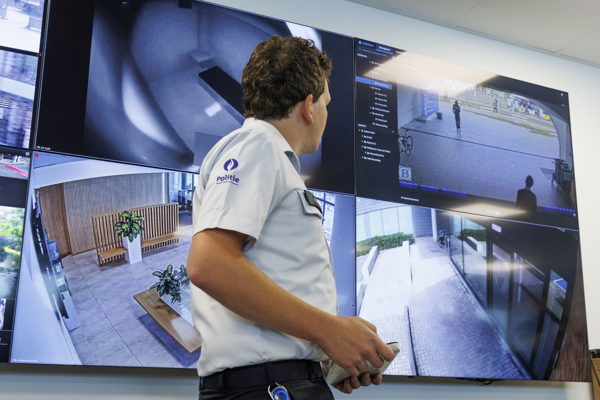
Quintin’s office told the newspapers that action had already been taken in recent months. Six federal police officers have been temporarily deployed to support the East Flanders centre, and national recruitment campaigns are underway.
Vandemaele voiced concern, warning that shortages are so severe that public safety is at risk. “In such emergencies, a missed call can literally mean the difference between life and death,” he said. He is calling for faster training and recruitment, as well as improvements to working conditions, such as “fair compensation” for telephone operators.
© PHOTO BELPRESS
Related news