Cultural Compass: Questioning Europe's colonialism, behind the scenes of opera and dance history

Every Sunday, Belga English picks its favourite events from the cultural agenda. This week: a look at the long-reaching and continued effects of colonialism, an opportunity to see the operatic process from practice room to stage, and reimagined views of iconic choreography.
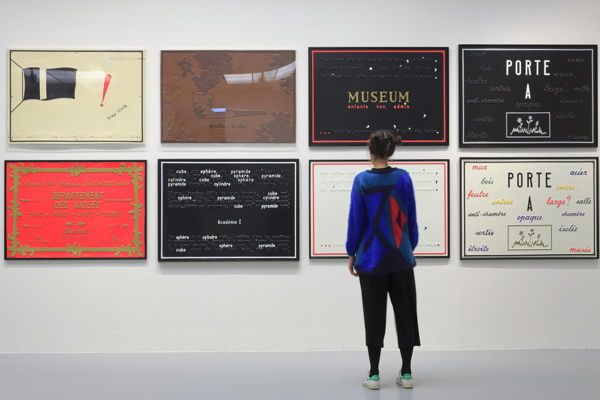
Postcolonial?, until March 2027, House of European History, Brussels
The exhibition Postcolonial? confronts a question that feels both historical and urgently contemporary: has Europe truly moved beyond its colonial past?
Structured in four chapters, the exhibition traces a sweeping arc from the rise of European empires in the 15th century to the uncertain legacies of decolonisation. It begins by laying bare the structural logic of colonialism: systems of exploitation, racial hierarchy and economic extraction that shaped global power. Striking maps and visual material reveal the sheer scale of domination, as European nations divided vast territories across Africa, Asia and beyond.

The narrative then shifts to the aftermath of the Second World War, when colonial rule began to crumble. Documents from key moments, such as the Pan-African Congress and the Bandung Conference, evoke the optimism of independence movements. Yet the exhibition resists any sense of closure. The euphoria of liberation is tempered by the persistence of inequality, violence and economic dependence.
Particularly compelling is the final section, which connects past and present. Testimonies, artworks and activist voices highlight how colonial dynamics continue to echo today in global trade, resource competition and cultural memory. The question mark in the title is deliberate: rather than offering answers, the exhibition invites reflection on Europe’s ongoing role in the world.
Housed in a former Art Deco dental practice in Leopold Park, the museum itself becomes part of the story inside an institution grappling with how to represent a past that is not yet finished.
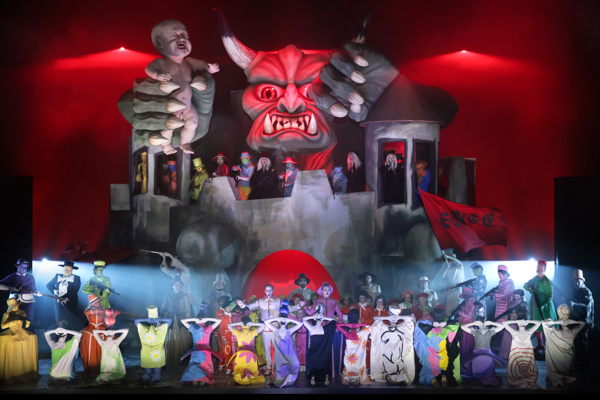
Open Masterclass & Songs Furioso, 30 April & 8 May, La Monnaie, Brussels
At La Monnaie, audiences are invited to experience both the artistry of performance and the craft behind it in two closely linked events.
On 8 May, countertenor Xavier Sabata presents a one-night recital built around the figure of Orlando. Drawing on operatic interpretations of the character, the programme weaves together arias from works such as Orlando generoso by Agostino Steffani and Orlando furioso by Antonio Vivaldi, alongside other pieces inspired by the same legendary knight.

Rooted in the epic poem Orlando Furioso, the music traces Orlando’s descent into madness with a blend of virtuosity and emotional nuance, revealing how Baroque composers reimagined this enduring story.
A week earlier, on 30 April, Sabata opens the doors to a different kind of experience: a public masterclass with young singers from the MM Academy. Here, the spotlight shifts from performance to process. In an intimate setting, audiences witness how an expert dissects phrasing, technique and expression. How a line is shaped, a breath placed, an emotion sharpened.
It is a rare opportunity to see what usually remains hidden during the hours of repetition, the meticulous refinement, the quiet problem-solving that precede a finished performance. For music lovers, it offers a deeper understanding of the dedication behind the art and a glimpse of where the real magic happens.
Body of Work: Re:pertoire, until 13 May, Leuven
At STUK, the second edition of Body of Work returns with a clear message: dance history is not fixed but constantly in motion. Under the title Re:pertoire, the festival explores how iconic works can be revisited, reshaped and reimagined by new generations of artists.
Central to the programme are powerful revivals. Both widely recognised as among the most influential stage works of this century, Alain Platel’s Out of Context – For Pina and Jan Martens’ The Dog Days Are Over 2.0 return in renewed form. Alongside them, Mohamed Toukabri presents an acclaimed recent creation, adding a contemporary voice to the dialogue between past and present.

The festival goes beyond performance. In Dansstroom, amateur dancers reinterpret repertoire themselves, guided by professionals, bringing different ages and styles together on stage. Elsewhere, choreographers such as Lisbeth Gruwez and Daniël Linehan open their studios, inviting audiences into the creative process through workshops and open sessions.
Memory also takes centre stage in Re:collect, an exhibition built from audience experiences, while a podcast series and the launch of Platel’s new book extend the conversation beyond the stage.
Rather than treating repertoire as something to preserve, Body of Work presents it as living material that is constantly reshaped with every performance, and rich with new possibilities.
Ongoing events
Antwerp
The Fall of Alba’s Citadel until 17 May
we refuse_d until 7 June
The Antwerp Six until 17 January
Martial Arts until 29 November
Plantin’s Plants until 2 August
Mashid Mohadjerin: Drifting Belgians until 30 August
Bruges
The Whispering Walls Rêve
Inventing Obsessions until 19 June
Brussels
Bellezza e Bruttezza until 14 June
ROTONDE
Becoming Ancestors until 28 June
Collection Meets Spanish Artists until 16 August
Hasselt
Ludo Thys until 27 September
Before Our Eyes until 23 August
Kortrijk
Abby & Friends until 13 September
Leuven
Valérie Mannaerts: Antennae until 30 August
Ostend
Evenepoel/Ensor until 3 May
Sint-Martens Latem
Edith Dekyndt until 17 May
(MOH)
#FlandersNewsService | Raft of Medusa by Alexis Peskine © Image courtesy of the artist and October Gallery, London.
Related news