Concern over drug-resistant malaria parasites prompts new monitoring network

Concern is growing about malaria parasites becoming resistant to first-line treatments, according to the Institute of Tropical Medicine (ITM) in Antwerp. The institute announced on Friday that it is launching a new project to better monitor the rising number of malaria cases among travellers returning to Belgium.
The national network, called be-IMPACT, aims to improve both the prevention and treatment of malaria in returning travellers. Seven hospitals across Flanders, Wallonia and Brussels will collaborate with the ITM on the project, which will run until the end of 2028, funded by the Flemish government.
Over the past decade, the number of malaria infections among travellers in Belgium has doubled. A peak occurred three years ago, when more than 500 cases were reported in a single year. At the same time, researchers are seeing increasing instances where treatments fail to cure the disease.
“By combining different areas of expertise, we can address blind spots in prevention, follow-up, and resistance,” explained lead researcher Anna Rosanas-Urgell of the ITM. “This way, we strengthen care for malaria patients in Belgium.”
Research into prevention, treatment and resistance
The project will focus on three main areas. Social scientists will study travellers’ behaviour and risk perception, examining why some people do not consistently take preventive measures against malaria and how prevention strategies could be improved.
“Doctors must evaluate whether current treatments are still sufficiently effective,” the ITM said. The aim is also to organise and monitor care for malaria patients across the network using the same standards.
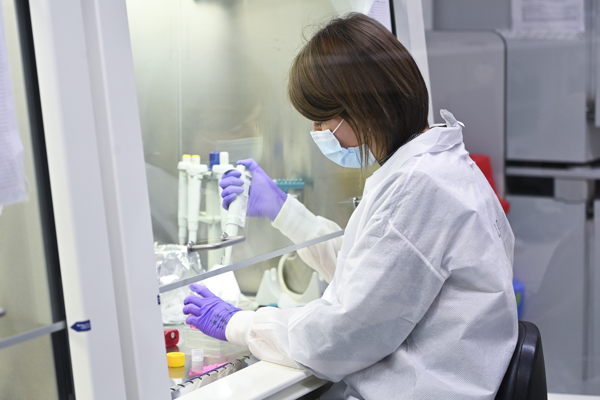
In addition, laboratory researchers will analyse malaria parasites from samples collected in the participating hospitals. This will help determine how often treatment resistance occurs and which treatments may be losing their effectiveness. The research will also seek to identify where infections originate.
“This information is important for patients without recent travel to a malaria-endemic area,” Dr Rosanas-Urgell added. “We are talking about so-called airport malaria, or malaria with a complex travel history.”
First nationwide collaboration
The initiative marks the first time hospitals across Belgium’s regions have collaborated in a coordinated effort on malaria research. Through annual workshops with physicians, policymakers and government agencies, the partners hope to “establish harmonised prevention and treatment guidelines”.
“At UMC Sint-Pieter, we treat more than a hundred malaria patients annually,” says Dr Martin Vandeputte. “This experience directly contributes to the be-IMPACT project and strengthens the quality of the data. Thanks to the national network, we can make care more consistent and effective.”
The be-IMPACT network includes the Institute of Tropical Medicine as well as University Hospitals Antwerp, University Hospitals Ghent, University Hospitals Brussels, UMC Sint-Pieter, UMC Saint-Luc, CHU Sart-Tilman in Liège and CHU Humani – Marie Curie in Charleroi.
© PHOTO IMAGEBROKER
Related news