Cancer survival reaches record high as personalised therapies advance

Research into personalised immunotherapy could eventually ensure that many cancers are no longer fatal, according to Belgium’s Foundation Against Cancer. The organisation is highlighting several research projects ahead of World Cancer Day on Wednesday and is supporting research into immune therapy based on natural killer cells.
“Rapid progress in targeted therapies, immunotherapy and personalised treatments will make it possible in the medium term to evolve towards a world where cancer is not deadly,” said professor Eric Van Cutsem, co-chair of the foundation.
While more people are being diagnosed with cancer, survival rates are also rising, partly due to research. According to the American Cancer Society Cancer Statistics 2026, the survival rate for all cancers has reached a record high of 70 per cent. This refers to the five-year survival rate, or the average chance of a patient being alive five years after diagnosis.
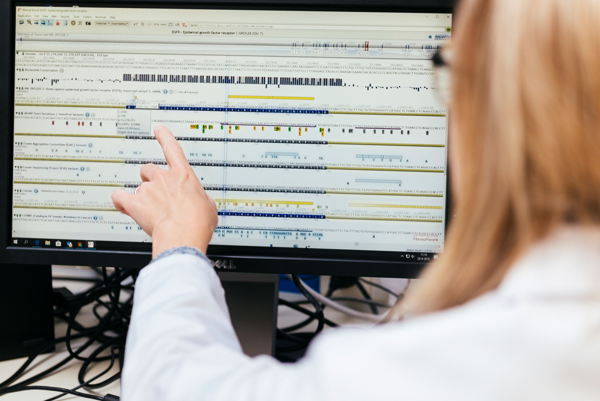

“Although survival rates continue to evolve in a positive direction, they are averages and there remain cancer types where the prognosis is still less rosy,” says Professor Filip Lardon of UAntwerp.
For example, much research is needed on the treatment of pancreatic and lung cancer, where the five-year survival rate is relatively low. “It is precisely on those cancer types that we want to increase our efforts,” says Lardon.
"By tackling cancer simultaneously from different angles, we reduce the chances of the tumour escaping treatment"
“For pancreatic cancer, with the oncologists and surgeons at the UZA, we are developing new drugs and treatment methods with promising results.”
More than 30 cancer researchers are working on the development of new therapies at UAntwerp’s Centre for Oncological Research.
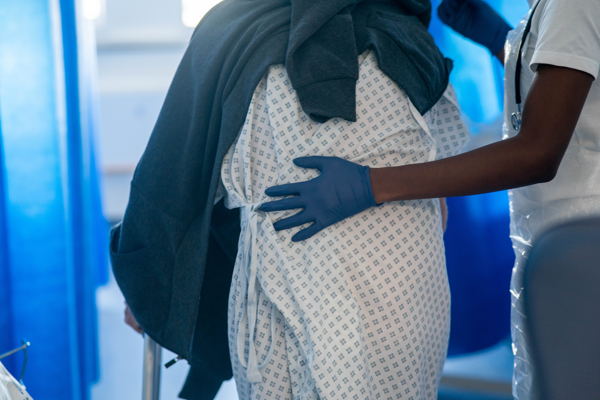

Professor Evelien Smits is researching new treatments for high-grade glioma, a very aggressive brain tumour. Immunotherapy appears to be particularly promising. This involves activating the patient’s own immune system to detect and destroy cancer cells in a more targeted way. She is especially investigating the potential of natural killer cells, a specific type of immune cells.
Immunotherapy is then combined with radiation, surgery and chemotherapy. “By tackling cancer simultaneously from different angles, we reduce the chances of the tumour escaping treatment,” Smits says.
Prevention is priority
While cancer death rates continue to decline, especially for lung cancer, the incidence of breast, prostate and colon cancer is rising, especially among young adults.
For doctors, prevention remains a priority. Eighty to 90 per cent of hard-to-treat lung cancers are still caused by tobacco use. The lowest possible alcohol consumption, healthy diet, protection from UV radiation, avoidance of obesity and plenty of exercise also help reduce mortality rates.
On Tuesday, the Foundation Against Cancer announced that it was awarding another 35 million euros for research in 2026. It awards postdoctoral fellowships to researchers every two years. Its aim is to better understand the disease, increase the chance of a cure and improve the quality of life of people with cancer.
#FlandersNewsService | The Royal Museum of Fine Arts Antwerp and Pink Ribbon mark Pink Monday, 19 January 2026, a breast cancer awareness campaign © BELGA PHOTO DIRK WAEM
Related news