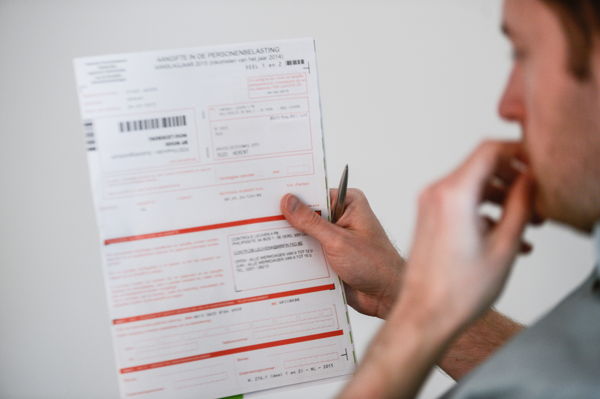
Belgium’s tax burden rises again

Belgium’s overall tax burden has increased for the second year in a row, according to new figures from the OECD. Only four OECD countries now have higher taxes as a share of their economy.
The tax burden measures all taxes collected by the government - including income tax, corporate tax, VAT and excise duties - as a percentage of GDP. In Belgium, it rose from 41.9 per cent in 2023 to 42.6 per cent in 2024, based on preliminary data. In 2022, it stood at 41.6 per cent. In practical terms, this means that 42.60 of every 100 euros generated in the economy goes to taxes.
Most tax revenue still comes from social contributions (30.8 per cent), followed by taxes on income (27.9 per cent) and VAT (15 per cent). In 2023, the government collected 249.8 billion euros in taxes, €5.5 billion more than in 2022.
Only Denmark (45.2 per cent), France (43.5 per cent), Austria (43.4 per cent) and Italy (42.8 per cent) record higher tax pressure. Across the OECD, the average tax burden has also risen, from 33.7 to 34.1 per cent, the highest level since the organisation began reporting.
The OECD has slightly revised Belgium’s figures for 2022 and 2023 based on updated data.
© BELGA PHOTO THIERRY ROGE
Related news