Belgium takes part in European Commission’s meeting with Taliban

Belgium was one of 15 member states represented at the European Commission’s meeting with representatives of the Taliban regime on the return of Afghans, the office of the Asylum and Migration minister has confirmed to Belga.
An alliance of 20 EU member states are seeking ways to return to Afghanistan “persons who have committed serious crimes and who are possibly a security threat”, according to the European Commission, which says it is acting on these states’ request to organise a “technical” – rather than political – meeting.
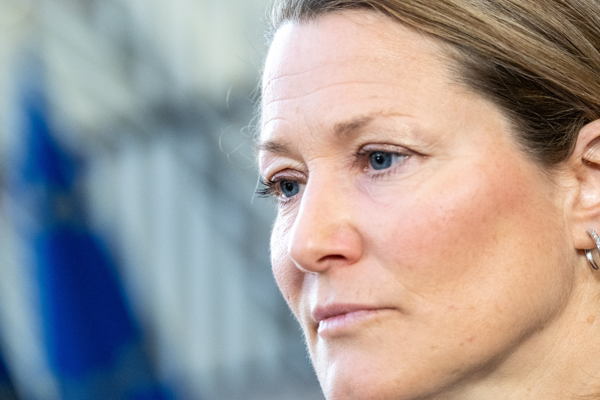
The visit was announced in January by the office of minister Anneleen Van Bossuyt (N-VA). At the time, it was presented as a return visit following a trip to Afghanistan by European and Belgian officials, including the head of Belgium’s Immigration Office.
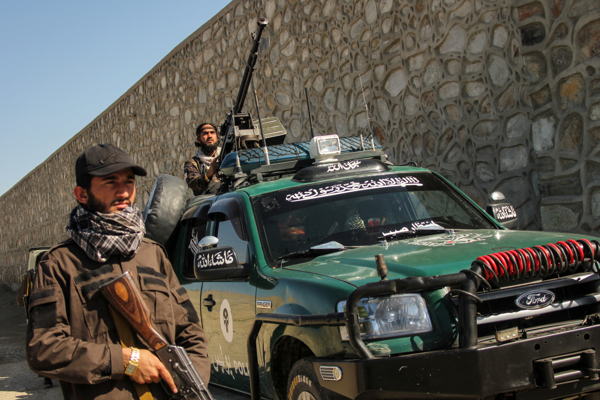
Holding discussions with representatives of a regime not recognised by the EU and which violates human rights, particularly those of women and girls, has sparked controversy.
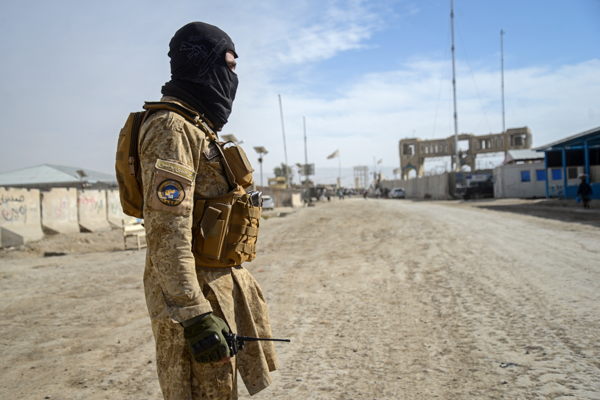
The International Federation for Human Rights called for the delegates to be arrested on arrival, pointing out that senior Taliban officials are the subject of arrest warrants issued by the International Criminal Court for crimes against humanity and gender-based persecution.

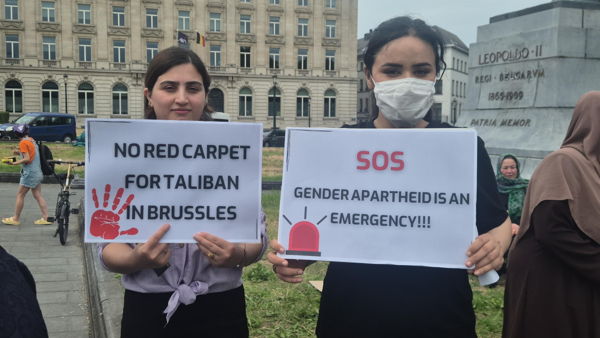
A rally organised by civil society groups was scheduled for Tuesday afternoon in Brussels to protest against the meeting.
“This visit runs counter to the position recently expressed by the European Parliament,” said MEP Saskia Bricmont (Greens/EFA). On 21 May, MEPs adopted a resolution calling for relations with the Taliban not to be normalised and condemning the human rights violations committed by their regime.
"The EU is weakening its own voice and giving authoritarian regimes a powerful lever to exert pressure on Europe"
“Welcoming to Brussels representatives of a regime that systematically oppresses women, suppresses all opposition, denies fundamental freedoms and imposes a veritable gender apartheid is unacceptable,” she said.
“By opening its doors to the Taliban to negotiate deportations behind closed doors and without democratic oversight, the EU is weakening its own voice and giving authoritarian regimes a powerful lever to exert pressure on Europe.”
As soon as the potential visit was announced, 47 MEPs sent a letter to Belgian Foreign minister Maxime Prévot, calling for the visas to be refused.

Prévot, of Les Engagés, said he disapproved of the invitation but, as the host country for the European institutions, Belgium could not refuse to grant the requested visas. Five visas were granted to the Taliban representatives for one day, valid for Belgium but not for the Schengen area.
Van Bossuyt described the invitation as “a necessary evil”. She condemned what she considers “double standards” in the debate, namely rejecting the principle of repatriation while offering no solution “in the face of individuals who pose a danger”, such as those convicted of rape.
The Taliban government returned to power in 2021, following 20 years of war and a hasty withdrawal of US forces from Afghanistan.
An Amnesty International activist in front of the European Commission headquarters in Brussels, protesting against a meeting with a Taliban delegation, 23 June 2026 © PHOTO NICOLAS TUCAT / AFP
Related news