Belgium postpones registration of biometric data of non-EU travellers

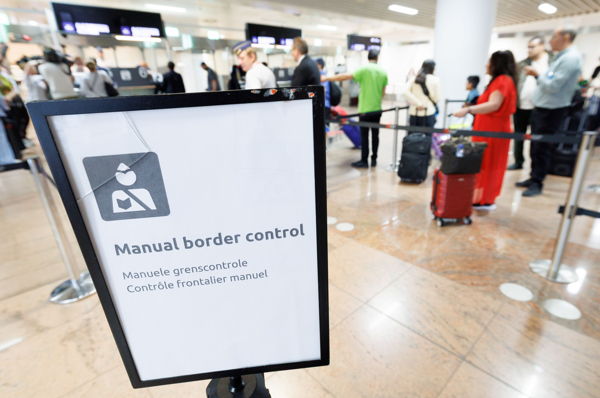
The registration of biometric data – such as fingerprint or facial scans – of non-EU citizens under the new European EES system is being postponed in Belgium. This decision was taken by minister for the Interior Bernard Quintin and his colleague for Asylum and Migration, Anneleen Van Bossuyt. Tests had led to long queues at airports.
Electronic border controls in Europe, known as the Entry/Exit System (EES), have been gradually rolled out since October. The aim is for non-EU citizens to provide their fingerprints and a facial scan in addition to their passport and departure date.
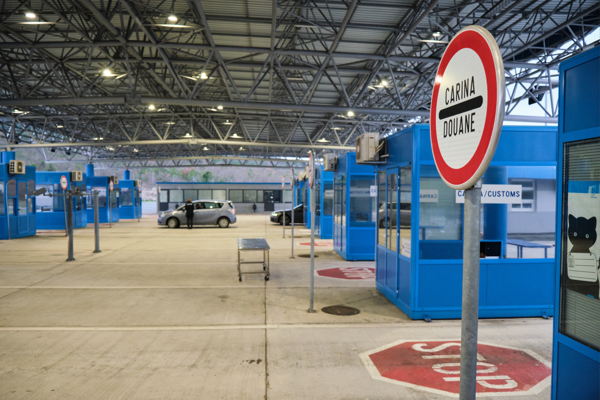

The European Union has decided to introduce the system in phases. This allows for intervention should technical problems arise. In exceptional circumstances, such as very long queues, member states may decide to temporarily suspend the system.
In Belgium, the plan was to first carry out EES checks at specific times, with a view to having the system fully operational by 10 April, for example at Brussels Airport. However, this will not happen for the time being, as Belgium is postponing the introduction. The Netherlands and France have already done so.
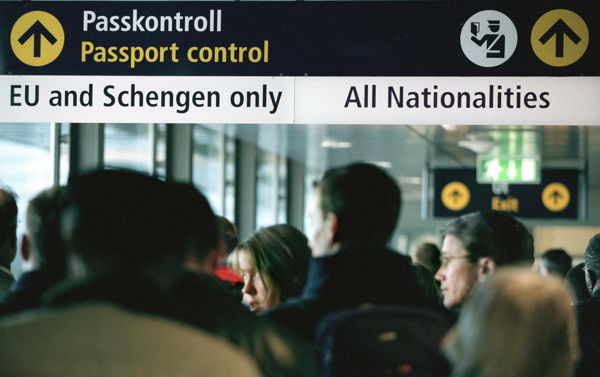

Quintin and Van Bossuyt say the phased introduction has led to a significant increase in waiting times at border controls. The various stakeholders have been working hard for months to ensure secure border controls, adapted to passenger flows, within the framework of the new system. Nevertheless, the technological and infrastructural conditions necessary for biometric registration under normal and passenger-friendly conditions are not in place, they say.
According to Quintin, queues were “unacceptable”, both for passengers and for the image of Brussels. He emphasises that the postponement does not compromise the quality of current checks. “Every passenger entering our territory will be strictly checked to ensure security in our country,” he said.
“Strong borders are a necessary prerequisite for an effective migration policy"
The relevant authorities will continue their consultations with the European Commission to establish a joint and realistic timetable for the full implementation of biometric registration.
“Strong borders are a necessary prerequisite for an effective migration policy and are essential for the safety of our citizens, including at airports,” said Van Bossuyt. “At the same time, the European system must function smoothly in practice, which clearly requires more time.”
Border control at Brussels Airport © BELGA PHOTO BENOIT DOPPAGNE
Related news