Belgium officially candidate to host High Seas Treaty secretariat

Belgium has officially put itself forward as a candidate to host the secretariat of the UN treaty on the protection of the high seas, formally named the Biodiversity Beyond National Jurisdiction (BBNJ) agreement. Belgium is competing with Chile, which is also a candidate.
In March 2023, after years of negotiations, the UN member states reached an agreement on global ocean protection. Currently, more than 64 per cent of the world's oceans fall outside any national legal system. The aim is to transform by 2030 at least 30 per cent of that area into marine protected areas where biodiversity is protected. The so-called “High Seas Treaty” will enter into force on 17 January 2026.
"Brussels, with the largest diplomatic community in the world, offers all the advantages to host the future secretariat of the BBNJ agreement"
The UN agreement also comes with a new headquarters. Belgium would like to host that secretariat and officially submitted its candidacy last Friday. The secretariat would be set up in the Residence Palace in Brussels, in the heart of the European quarter. The candidacy is part of Belgium’s broader drive to attract UN agencies and develop the capital further as a diplomatic hub.
“Brussels, with the largest diplomatic community in the world, offers all the advantages to host the future secretariat of the BBNJ agreement,” stated Belgian foreign minister Maxime Prévot. “With the official submission of our candidacy to bring this secretariat to Belgium, we are committed to a secretariat that connects and delivers concrete results for the protection and conservation of the ocean from day one.” According to north sea minister Annelies Verlinden, the candidacy is “a unique opportunity to bring together science, diplomacy and ocean protection”.

Belgium however faces a strong rival in Chile, which proposes to host the secretariat in the port city of Valparaíso. With a coastline of 6,435 kilometres, Chile is a world leader in marine biodiversity protection. Around half of its territorial waters are protected, it was the second country to ratify the treaty, and it has already launched a pioneering coalition to safeguard the first areas on the high seas.
The final decision is likely to be made during the first conference of the parties to the BBNJ treaty, which should take place in the course of next year.
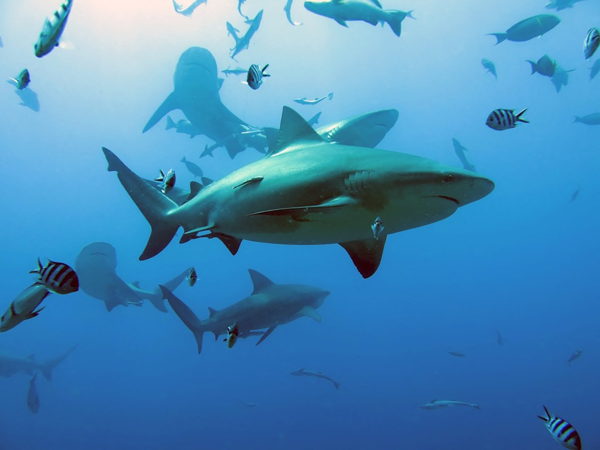
Illustration © PHOTO Ernesto BENAVIDES / AFP
Related news