Belgium extends entry checks as part of tougher migration policy

Belgium’s government has decided to extend its entry checks for another six months as part of a broader effort to curb illegal migration and tighten security.
The checks, which began last July, are not official border controls but take place on major roads, motorway service areas, international buses, certain trains and some flights within the Schengen area from countries with high migration pressure, such as Italy and Greece.
In the first six months, police stopped more than 25,500 people. Around 170 were found without valid travel or residence documents. Of these, 108 adults were handed over to immigration authorities, 23 were placed in closed centres and 12 were sent back to their countries of origin. Ministers say Belgium’s interception rate is higher than that of the Netherlands.
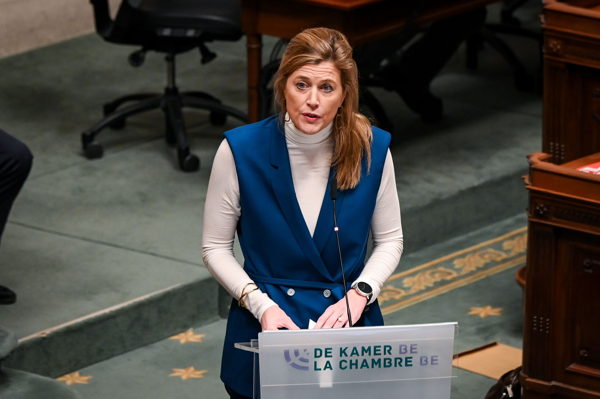

Asylum and Migration minister Anneleen Van Bossuyt said the checks sent a clear message that people without the right to stay cannot travel freely through the country. Interior minister Bernard Quintin added that police would continue to target illegal and criminal networks, including those linked to drugs.
The move comes amid a wider tightening of migration rules. Parliament has backed plans that would allow people convicted of serious crimes such as murder, organised crime or sexual offences to lose Belgian nationality under strict conditions. Terrorists with dual nationality could face automatic loss of citizenship, unless a court rules otherwise.
Lifelong ban
The government is also preparing legislation that would allow lifelong entry bans for convicted terrorists and violent extremists who are in Belgium illegally. Last year, authorities issued 42 entry bans of 20 years or more, more than double the figure in 2023.
At the same time, new figures show a sharp fall in asylum approvals. In 2025, only 28.4 per cent of applicants were granted protection, down from over 47 per cent the year before. The total number of asylum applications also dropped to about 34,400, with a particularly steep fall in cases from Syria after processing there was partly suspended.
Van Bossuyt said Belgium was moving away from years of emergency measures towards a stricter and more controlled system, adding that further reforms would be announced soon.
© BELGA PHOTO NICHOLAS DE COCKER