Budget talks under pressure as coalition divisions deepen

Belgium’s federal government is facing growing political tensions as difficult budget negotiations expose deep divisions inside prime minister Bart De Wever’s coalition. Disputes over wages, defence spending and public finances are delaying key reforms and raising questions about how the government will reduce its large budget deficit.
The biggest immediate dispute concerns the “centenindex”, a controversial government plan to temporarily limit the automatic wage indexation system. In Belgium, salaries and benefits normally rise automatically with inflation to protect purchasing power. Under the proposal, future index-linked pay rises would be capped twice during the government term for gross monthly salaries above 4,000 euros. Pensions and benefits would also face limits above 2,000 euros gross.
The government argues the measure is necessary to help stabilise public finances. Belgium currently has one of the highest budget deficits in the eurozone. The European Commission expects the deficit to remain at 5.2 per cent of GDP this year before rising again in 2027. Public debt is also expected to continue increasing.

However, the centenindex has become politically explosive. Opposition party Anders succeeded in delaying the parliamentary vote again on Thursday after demanding a second reading of the proposal. The move pushed back the final approval of the government’s wider budget law until at least next week.
The debate has also revealed cracks inside the coalition itself. Belgium’s main trade unions and employers’ organisations jointly proposed an alternative plan that would reduce the effect of rising energy prices in inflation calculations, rather than directly limiting wage increases. Coalition parties CD&V and MR have shown sympathy for the compromise, while the nationalist N-VA and socialist Vooruit continue backing the original proposal.
Deputy prime minister Frank Vandenbroucke insisted the government would not abandon the measure, saying ministers were “not going to change ideas”. Government officials also rejected calls to reopen negotiations with unions and employers.
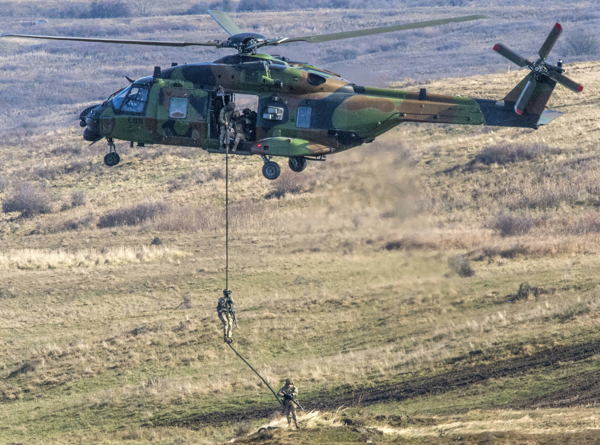

At the same time, tensions are growing over defence spending. Belgium recently committed to sharply increasing military investment, including major purchases of missiles, drones and F-35 fighter jet equipment. But some coalition politicians, especially from CD&V and Vooruit, now want to slow the pace of defence spending growth because of pressure on the national budget.
Defence minister Theo Francken has strongly defended the military investment plans, arguing that Belgium must continue to meet NATO spending commitments. The disagreement reflects a wider struggle inside the coalition, where parties are increasingly targeting each other’s priorities as they search for billions of euros in savings.
As coalition partners are publicly attacking each other’s policies, PM De Wever is trying to avoid a full political crisis. However, with the government still needing to find at least 7 billion euros in additional savings, further clashes in the coming weeks appear likely.
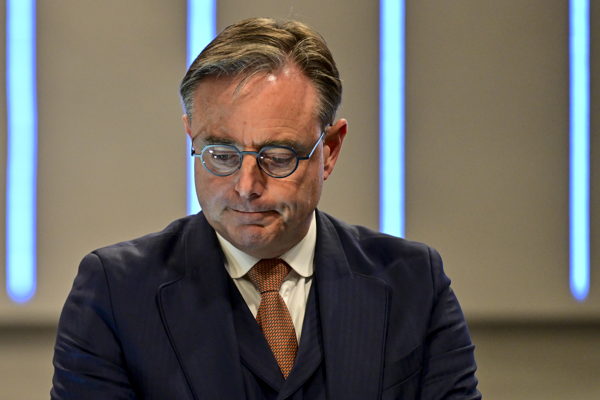
Prime minister Bart De Wever © BELGA PHOTO ERIC LALMAND