Audit warns Oosterweel project cannot be fully repaid with toll revenues

Belgium’s Court of Audit has warned that the Oosterweel project in Antwerp cannot be fully repaid using toll revenues. The remarks raise fresh concerns about its long-term financing.
The audit body said in its annual review that current funding sources were insufficient to cover costs through to 2033, the expected end of construction. It estimates a shortfall of around 2.25 billion euros compared with the agreed lending ceiling.
The Oosterweel works, a major infrastructure scheme around Antwerp, have seen costs rise sharply in recent years. One major factor is the expensive cleanup of PFAS-contaminated soil, which alone required an additional 1.65 billion euros.
The Flemish government has provided extra subordinated loans, which are intended to be repaid from future toll income. However, the Court of Audit questioned this assumption and warned that projected traffic volumes, and therefore toll revenues, may be overly optimistic.

It also said the financial model was not robust and that there was no guarantee all loans would be repaid. This could undermine the earlier decision to keep Oosterweel-related spending outside the government’s core budget, based on the expectation of full repayment through tolls.
Construction authority Lantis has been relying on these forecasts to finance the project. The Court of Audit also pointed to ongoing uncertainty around remediation costs and warned that additional risks could further affect the budget.
Opposition politicians said the findings confirmed long-standing concerns that the financial model may shift costs to taxpayers in the future rather than avoiding them.
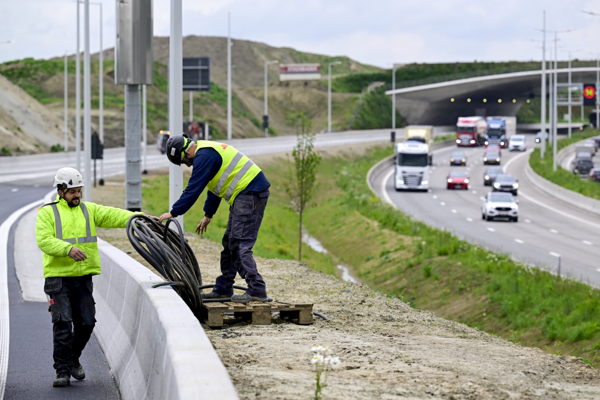
#FlandersNewsService | Flemish minister for Mobility and Public Works Annick De Ridder visits the Oosterweel junction construction site, 5 February 2026 © BELGA PHOTO JONAS ROOSENS