50 new psychoactive substances detected in Europe in a year

Fifty new psychoactive substances were detected in Europe for the first time in 2025, the EU’s Monitoring Centre for Drugs and Drug Addiction’s annual report finds. The agency is concerned about the health of users, as the rapidly changing drug scene poses unprecedented risks. At the same time, drugs gangs are becoming increasingly violent and harder to detect.
An estimated 24.9 million European adults used cannabis in 2025. Harder drugs such as ketamine and cocaine are also becoming increasingly common. Sewage water analyses show that the amount of ketamine residues has risen in 40 of the 66 cities studied. At the same time, ketamine users rarely seek help.
Around 2.5 million young people had used cocaine by 2025. Recent sewage water analyses reveal that of the 85 cities tested, 48 saw an increase in cocaine residues. The number of people entering treatment for cocaine continues to rise.

In addition, new psychoactive substances, also known as designer drugs, are on the rise. These mimic the effects of known drugs such as ecstasy and cocaine. Europe is a major market for synthetic drugs both domestically and abroad and manufacturers are constantly altering their chemical structures, meaning the health risks are largely unknown and often severe.
“Some are so potent that just a few grams could potentially result in thousands of lethal doses,” says Lorraine Nolan, director of the monitoring centre.
Vulnerable and marginalised groups are particularly at risk, the report states. By taking high doses or new drugs, often unknowingly, they face poisoning and death. Users who inject drugs face an increased risk of infection with blood-borne viruses such as HIV and hepatitis A, B and C, with drug use leading to more frequent injecting and riskier sexual behaviour.
"Some are so potent that just a few grams could potentially result in thousands of lethal doses"
“We must do everything in our power to prevent dangerous new products from flooding the market,” says European Commissioner for Home Affairs Magnus Brunner.
The systematic provision of sterile equipment not only reduces the risk of fatal overdoses but also prevents the transmission of blood-borne viruses. However, a lack of funding and barriers in healthcare stand in the way of a decisive European response.
Meanwhile, drug traffickers are becoming increasingly innovative and violent. After years of growth, the number of seizures has been falling: from 419 tonnes in 2023 to 330 tonnes in 2024. Criminals have adapted their routes and methods to avoid detection.
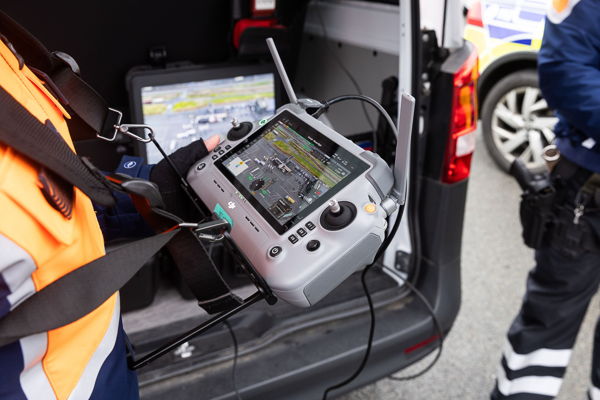
“Although bulk transport via seaports still takes place on a large scale, there are indications that smuggling routes and methods are becoming more diverse,” says Nolan. Gangs are using smaller ports and carrying out transfers at sea. This is becoming increasingly spectacular, involving speedboats, semi-submarines and drones.


The ongoing illicit trade is putting pressure on security in Europe, and there is growing evidence that drug gangs are actively recruiting young people from vulnerable communities to intimidate and assault.
The EU is attempting to curb this by focusing on awareness campaigns and digital safety via social media. In addition, authorities are trying to disrupt networks based on intelligence and dismantle key hubs.
Through the EU Early Warning System, the EU informs all European authorities at an early stage about new substances and trends. At the same time, the Commission is ensuring that member states and countries outside the union cooperate in the fight against drug trafficking.
Peruvian police display almost 4,700kg of seized cocaine and derivatives, May 2010. The shipment was in a container being shipped to Europe by sea © AFP PHOTO/CRIS BOURONCLE
Related news