2m euros in compensation paid to forensic patients held in regular prisons

The Belgian state has paid out more than 2 million euros since 2020 in compensation to forensic patients held in ordinary prisons. At the same time, waiting lists for specialised forensic psychiatric centres continue to grow, with 218 people waiting to be admitted.
Forensic patients are being held in normal prisons due to a lack of places in specialist centres, a situation Belgium has been condemned for on several occasions. Figures requested by N-VA MP Kathleen Depoorter show that the government has had to compensate more than 1,000 people who have been forced to remain in prisons where the necessary specialist care is often lacking.
According to Depoorter, numerous cases have been brought before the courts, both to obtain compensation for past suffering and to force a transfer to a suitable facility. The amounts awarded range from lump-sum payments to continuing payments of up to 25 euros a day.

She says the figures prove that “the detention policy is structurally flawed and the government has for too long failed to provide adequate, suitable accommodation”.
According to the N-VA, there is a need for greater capacity in specialist care facilities. “The federal government’s decision to build a new forensic psychiatric centre in Ostend with a capacity of 400 to 450 places is certainly a positive and necessary step,” said MP Sophie De Wit. “I hope that this project, as well as the other projects for new centres in Wavre, Paifve and Aalst, can be realised quickly.”
"The detention policy is structurally flawed and the government has for too long failed to provide adequate, suitable accommodation"
Meanwhile, as prison overcrowding continues, a record number of 736 prisoners are currently having to sleep on the floor of their cell, according to the latest figures published on Wednesday by the trade unions. This figure has risen by 26 in a week.
The increase has been most notable in Wallonia since the last count on 30 March, with the number rising from 247 to 264, in nine prisons.
Figures in Brussels are also rising, with 170 inmates in this situation, compared with 157 on 30 March. In Flanders, there is a slight downward trend: 302 this week compared with 306 last week, spread across 10 prisons.
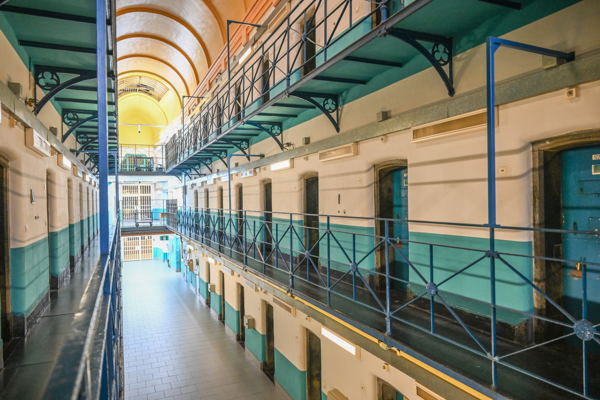
A cell at Hasselt jail, February 2024 © BELGA PHOTO PINO MISURACA
Related news