2025 was fourth warmest year on record in Belgium

With an average temperature of 12.0°C, 2025 ranked - together with 2014 - as the fourth warmest year since systematic observations began in 1833. Only 2020 and 2022 (both 12.2°C) and 2023 (12.1°C) were warmer. This was reported on Thursday by Belgium’s Royal Meteorological Institute (KMI).
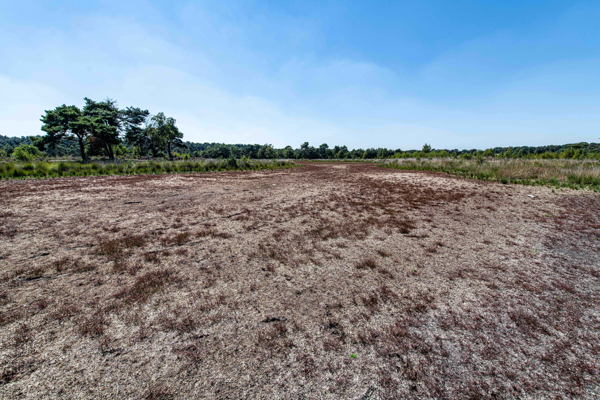
Following the wettest year on record in 2024, precipitation fell sharply in 2025. At Uccle, total rainfall amounted to just 620.6 mm, almost half the previous year’s total and the lowest figure for the current reference period (1991–2020).
Temperature records also stood out. The first “summer day” - defined as a day with a maximum temperature of at least 25°C - was recorded as early as 12 April, the earliest such occurrence since this metric began in 1892.

In addition to being one of the warmest years on record, 2025 was also the fourth sunniest year within the current reference period. Sunshine totalled more than 1,804 hours, compared with the period record of nearly 2,021 hours set in 2003.
Rainfall patterns were particularly striking. After the exceptionally wet conditions of 2024- when 1,170.7 mm of rain was recorded - 2025 was notably dry. The number of precipitation days (145) was the second lowest since observations began, narrowly above the record low of 142 days in 2018. Snowfall was also scarce, with only seven days of snow recorded in Uccle, compared with a long-term average of seventeen.
The KMI highlighted several other notable weather events in 2025. Two official heatwaves occurred during the summer. The highest daily rainfall total was measured on 8 September, when 62.0 mm fell in Hockai, near Stavelot. An exceptional temperature contrast was observed on 2 July: at 3 p.m., the temperature in the coastal town of Middelkerke was 18.1°C, while Diepenbeek in the Haspengouw region recorded 38.0°C. It was a remarkable difference of 19.9°C over a relatively short distance.
© BELGA PHOTO LAURIE DIEFFEMBACQ
Related News