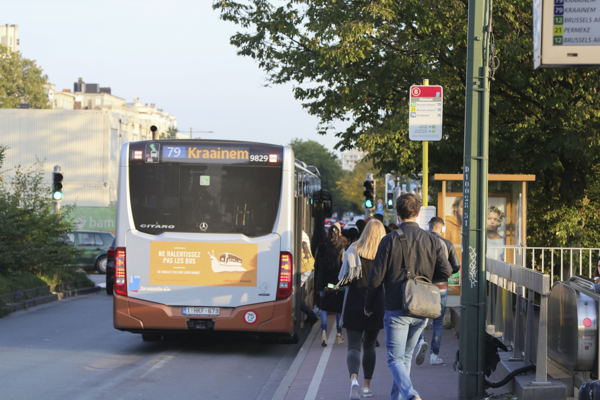
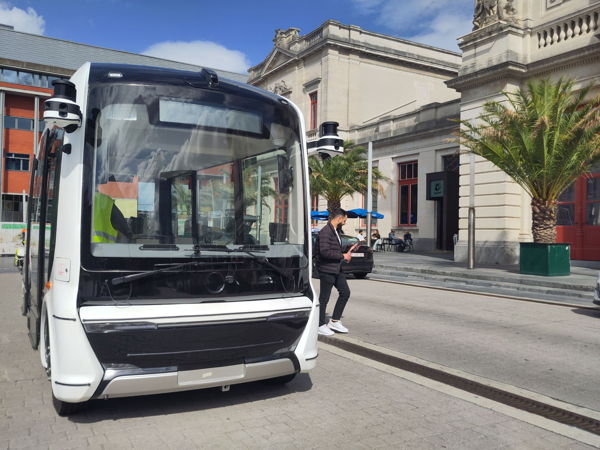
1,000th electric bus enters service in Flanders

The 1,000th electric bus has gone into service in Flanders. However, the number of depots where the buses can be charged is not keeping pace, creating the risk of a bottleneck.
De Lijn aims to offer fully emission-free public transport within 10 years and by 2035, the company hopes to have 3,800 electric buses. Investing in vehicles is not enough, however, and the change requires adapted charging infrastructure, energy supply and maintenance.
“The number of depots must keep pace so that all buses can be charged,” said Flemish minister for Mobility Annick De Ridder at the launch of the 1,000th bus in Antwerp. “This threatens to become a bottleneck. There are legal challenges against depot sites here and there. But we need to get spades in the ground.”
The Wissenhage site in Ghent covers 14 hectares, which would be enough space for at least 120 electric buses and trams. Plans for a depot there have been delayed for many years. A permit was overturned by the Council for Permit Disputes, meaning De Lijn must submit a new application, including a new environmental impact assessment.
"This will make our public transport more modern, reliable and comfortable for both passengers and drivers"
There was also opposition from the local community. A bridge connecting the site to the city centre has been ready to accommodate trams for 15 years, without success.
De Lijn ordered more than 650 new electric buses in 2025, which will be introduced in phases over the coming years. De Ridder: “This will make our public transport more modern, reliable and comfortable for both passengers and drivers.”

Depots are being equipped with software-controlled charging processes that make the work of drivers, planners and technicians easier. Last year, nearly 1,400 drivers received specific e-bus training and 176 technicians undertook additional training in electromechanics.
Electric buses require less traditional mechanical maintenance than diesel buses. Battery management and charging infrastructure are key components and maintenance is shifting towards prevention and monitoring.
#FlandersNewsService | © PHOTO DE LIJN
Related news