1 in 5 Flemish jobseekers back in work since losing unemployment benefit

Almost one in five people in Flanders who lost their unemployment benefit at the beginning of this year have found work. The figures were reported by Het Belang van Limburg on Friday, based on figures from Flemish Employment minister Zuhal Demir.
Since the federal government introduced a two-year cap on receiving unemployment benefit in January, 893 of the 5,073 jobseekers affected in Flanders have returned to work.
The larger group includes people whom public employment agency VDAB considers unable to work due to health or psychosocial problems. If they are not included, the percentage of people returning to work rises from 18 to 24 per cent.
The reform was applied in waves. People who have been unemployed for more than 20 years lost their right to claim benefits on 1 January, while those who have been out of work for between eight and 20 years lost their benefits on 1 March. Those with between two and eight years of unemployment will lose their allowance in the coming months.

According to Demir, the early results are encouraging. When the reform was introduced, the assumption was that one in three people would return to work. “That cap will be reached,” Demir, of N-VA, told the newspaper. “The people who lose their benefits in the coming months will have a shorter distance to the labour market.”
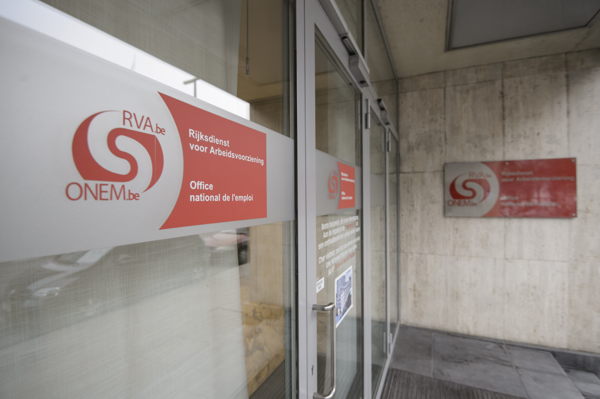
The National Employment Office calculates that it will spend 11.3 billion euros less over the next five years as a result of the reform, it said on Thursday when presenting its annual report. The reform will save an estimated 1.7 billion euros this year, rising to 2.5 billion in 2030.
"The people who lose their benefits in the coming months will have a shorter distance to the labour market"
However, the Court of Audit warned last month that there could be a negative effect on the economy in the short term as incomes fall. It also doubts whether as many as one-third of people will find work and notes that any jobs secured may not be long-term.
At the same time, the number of people claiming social assistance may be higher than expected. The government has promised to fully compensate local welfare offices, but this funding is open-ended.
A study by Belfius last year on the financial health of Flemish municipalities found that the reform could cost local authorities up 203 million euros.
According to the study, if 30 per cent of those who lose access to benefits turn to the public centre for social welfare, municipalities would need to support around 16,000 new living wage recipients. If 46 per cent do so, the number rises to 24,000 people.
#FlandersNewsService | Illustration © BELGA PHOTO JONAS D'HOLLANDER
Related news